



Artificial intelligence (AI) is moving fast, and scammers are moving even faster. One of the biggest problems right now is the explosion of fake celebrity endorsements that look real at first glance. These scams can trick anyone because the AI behind them creates smooth videos, sharp photos, and polished voices that feel legit.
Scammers use these tools to grab money and personal information from fans who trust the face they see on the screen. It feels personal, and that is what makes it dangerous.
What makes this even worse is how common these fake ads are becoming. You might scroll through your feed and see a famous actor talking about a supplement or a singer promoting a gadget. It looks honest, and the ad blends into the platform you use every day. This false sense of comfort is exactly what scammers count on.
How AI Fake Endorsement Scams Work?

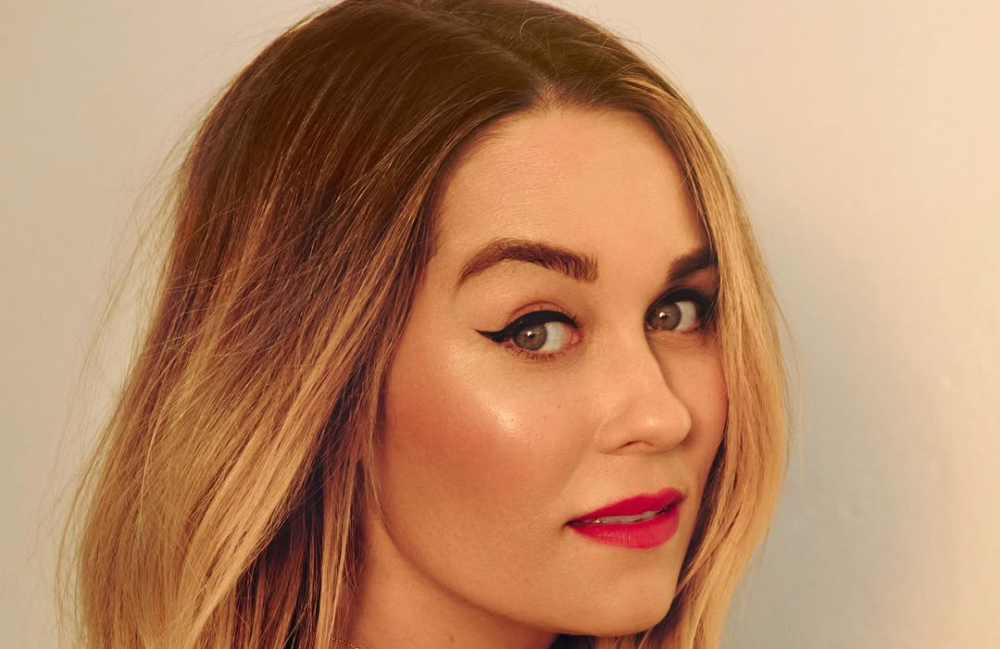
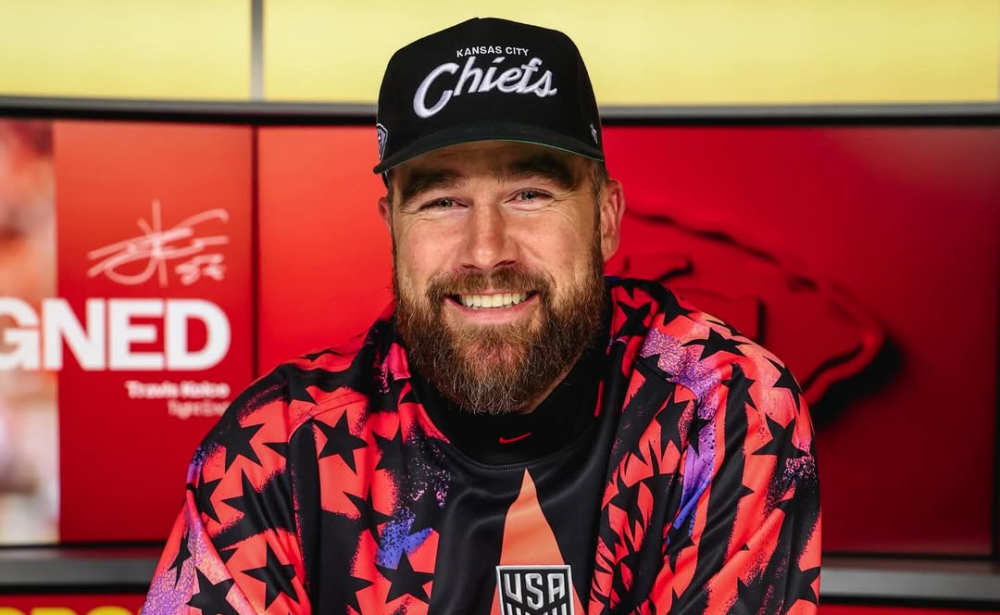
Swift / IG / Scammers build these traps with advanced AI generators that create near-perfect copies of celebrity faces and voices. These tools can create a video in minutes that looks as if the celebrity filmed it themselves.
One of the most well-known examples was the deepfake of Oprah Winfrey promoting a pink salt weight loss supplement. The fake ad claimed the product mimicked the effects of a popular medication, and it spread quickly because it looked real and felt friendly. Many people shared it without checking a thing, which helped the scam grow even bigger.
The moment you click on one of these ads, the scam deepens. The link usually takes you to a website controlled by the scammers, built to look clean and trustworthy. From there, they can swipe your payment information, load malware onto your device, or charge you for a product you will never see. In some cases, they send a cheap item that has nothing to do with the ad.
Even if the product exists, the celebrity never approved it and never partnered with the company. The scammer is simply riding the celebrity’s name to make quick money.
How to Protect Yourself from These Scams?

Oprah / Question everything! A picture or video is not proof anymore. AI tools can create almost anything, and scammers rely on people reacting without checking.
If you see a celebrity pushing a weight loss product or a miracle cure, pause for a moment. Ask yourself if it even makes sense. Most celebrities do not randomly promote mystery items on sketchy websites that appear out of nowhere.
Make sure to check the source. Look for the celebrity’s official website or verified social accounts. Many celebrities warn their fans when scammers use their name, and these warnings are often easy to find with a quick search. Oprah did exactly this after the pink salt scam started spreading. If the endorsement does not appear on their real pages, treat the ad as a fake, no matter how smooth it looks.
Do Your Homework Before You Buy
If you are not sure about a company, research it. Type the company name into a search engine and add the word “scam” after it. You will usually find reviews or warnings from people who have been targeted before. You can also check the Better Business Bureau Scam Tracker.
It gives real reports from real customers, and that extra step can save you from a lot of trouble. Scammers hate informed buyers because informed buyers do not fall for their tricks.
Even when the offer feels great, do not rush. Scammers count on speed. They want you to act before you think. Take a breath and read the fine print. If you see pressure tactics, odd spelling errors, strange shipping details, or no way to contact the company, treat those as bright red flags.
Remember, a real business wants you to ask questions. A scammer wants you to click and disappear.