


A fresh round of polling has delivered a clear message, and it is not one the White House will enjoy. A majority of Americans now say the economy under President Donald Trump feels worse than it did during Joe Biden’s time in office, according to Harvard Caps Harris Poll. That shift is striking because it cuts against what many voters believed just a year ago.
During the 2024 election cycle, Trump held a strong edge on economic trust. Voters often pointed to his earlier record and expected a repeat performance. Now that confidence looks shaken. New numbers suggest that everyday economic pain is changing minds, and it is happening fast.
Voters Change Their Tune on the Economy
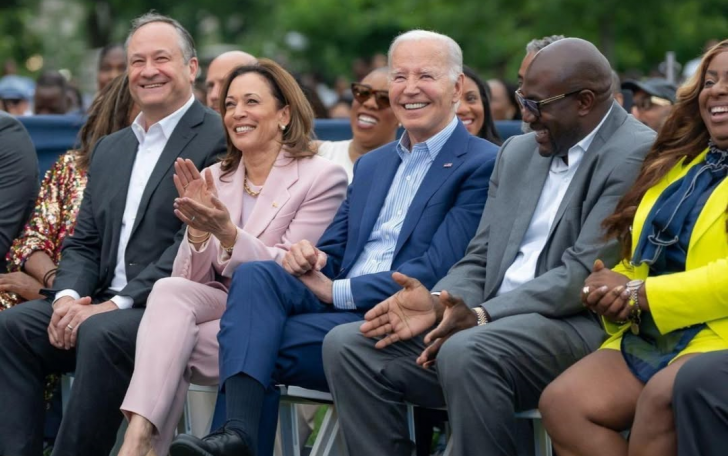
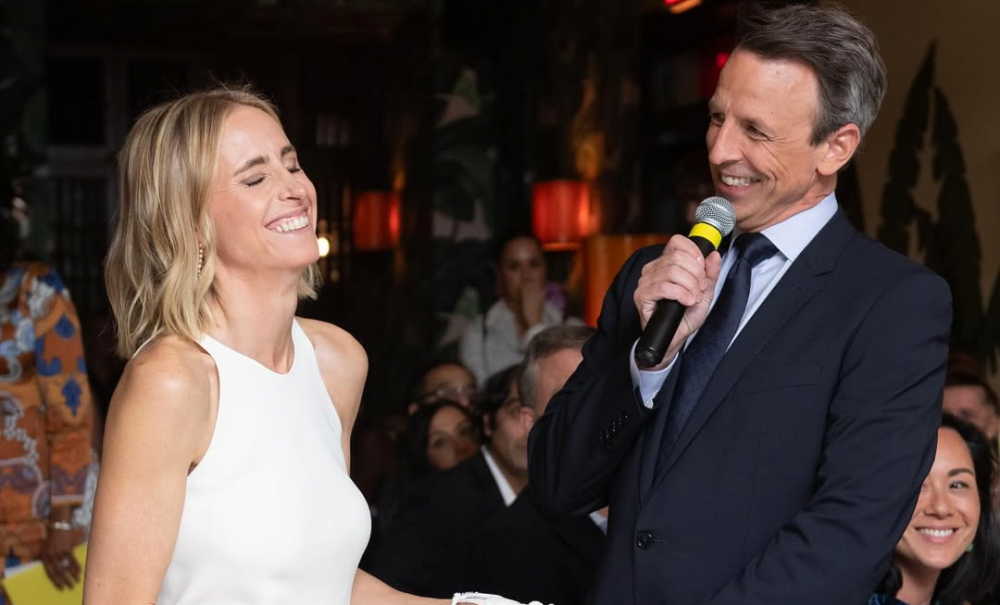
Biden / IG / About 52% of registered voters say the economy is worse today than it was under Biden.
Independent voters are even more critical, with 65% saying the economy has taken a step back. That group often decides elections, so their frustration matters a lot. Their views suggest this is not just partisan noise. It signals a real shift in how people feel about their financial lives.
Back in January 2026, a similar poll already showed 53% of voters leaning the same way. That means the numbers have stayed steady, even slipping slightly for Trump since late 2025. When opinions hold firm like this, it usually means people feel the impact in their daily routines.
One major reason for the change is rising inflation, which has come back into focus in early 2026. The Bureau of Labor Statistics reported a 0.9% jump in March alone. That is the largest monthly increase since mid 2022, and it has people worried again.
Prices at the pump have also climbed. Gas hit $4 a gallon in late March, a level not seen in three years. Oil prices surged to $115 per barrel, echoing spikes seen during earlier global conflicts. These numbers are not abstract. They hit wallets every single day.
The Iran war, which began earlier in 2026, has added more pressure to global energy markets. Conflicts like this often ripple through the economy, pushing costs higher across the board. For many Americans, it feels like bad timing stacked on top of existing stress.
Polls show that voters are not giving Trump a pass on these issues. A CNN survey in April found that 72% of Americans disapprove of his handling of inflation. That figure is higher than what Biden or even Jimmy Carter faced during similar periods of economic strain.
Another poll from Ipsos paints a similar picture. Trump’s net approval on inflation sits at negative 49 points. That is lower than Biden’s worst numbers and even below Carter’s during the late 1970s crisis. These comparisons highlight how serious the current dissatisfaction has become.
Who Gets the Blame, and Why It Matters?
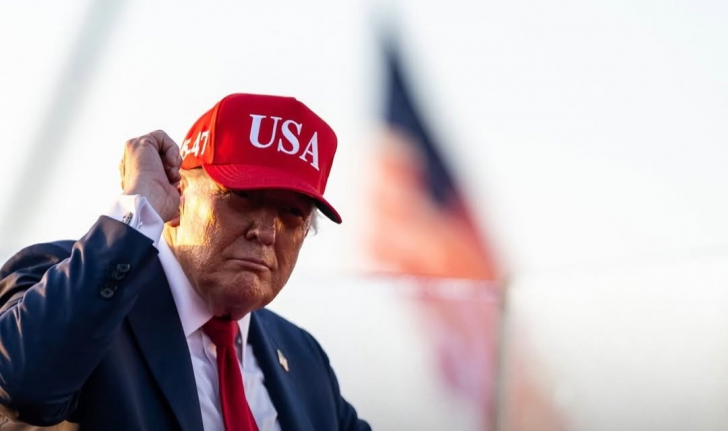
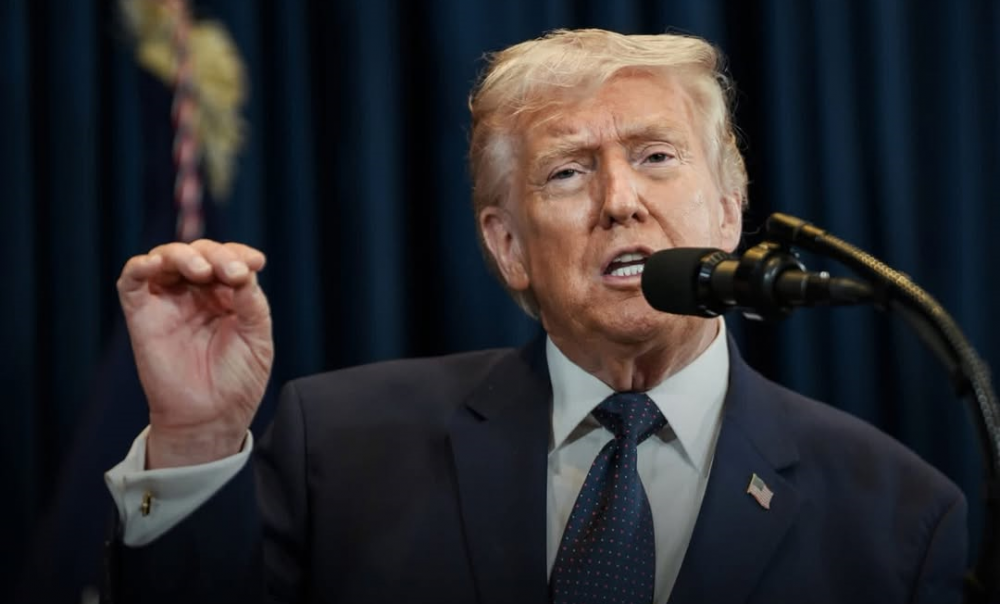
Trump / IG / The unemployment rate has risen to 4.3% as of March 2026. That is up from a low of 3.4% in late 2022, and even a small increase can shift public mood.
Job security feels less certain, and that uncertainty affects spending and confidence. When people worry about their income, they tend to pull back. That creates a ripple effect across the economy, reinforcing the sense that things are not going well.
What stands out even more is how voters are assigning responsibility. The same Harvard-Harris poll shows that 62% of respondents blame Trump’s policies for the current economic conditions. That is a strong majority pointing directly at the current administration.
This matters because the White House has tried to argue that today’s problems are leftovers from Biden’s presidency. That argument does not seem to be landing. More voters now see current policies, including tariffs and foreign policy decisions, as key drivers of the situation.
When voters connect outcomes to leadership, political risks grow quickly. It becomes harder to shift the narrative when people believe the cause is clear. Right now, many Americans appear to have made that connection.