





The energy drink market is booming, but it is not the wild west anymore. Customers are sharper, labels get more attention, and regulators are watching closely. If you want to enter this space, you need a clear plan and a product that actually earns attention.
This guide breaks it down into simple steps you can follow. You will learn how to shape your idea, build a product people want, and get it into customers’ hands without burning cash early.
Understand the Market Before You Spend a Cent
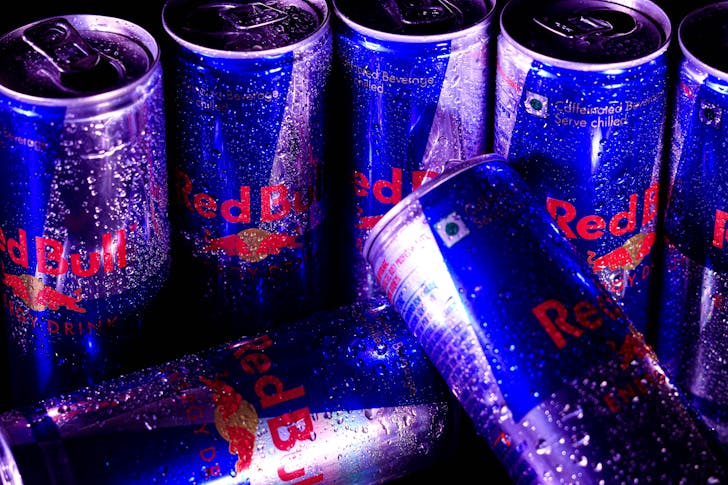
San / Pexels / The global energy drink market crossed $77 billion in 2025 and is expected to double over the next decade.
That kind of growth attracts serious competition, so guessing your way in will not work.
You need to study who is buying and why they care. Gen Z and millennials want cleaner ingredients, lower sugar, and benefits that go beyond energy. They check labels, compare brands, and talk about products online. If your drink feels outdated, it will not survive.
Look closely at current trends shaping the market. Zero-sugar options are rising, and natural sweeteners like stevia and monk fruit are now common. Functional drinks are also gaining traction, with ingredients like ashwagandha, L-theanine, and electrolytes becoming key selling points.
This is where your idea starts to take shape. You are not just selling energy, you are solving a problem. That problem could be focus for gamers, stamina for workouts, or steady energy for long workdays. Pick one clear direction and build around it.
Build a Product People Actually Want
A good idea means nothing if the drink tastes bad or feels generic. Product development is where most new brands either stand out or disappear. You need a formula that delivers results and a flavor that people enjoy more than once.
Start by deciding your core benefit. Do you want clean energy without jitters, hydration with a boost, or stress support with mild stimulation? Once you lock that in, you can build your ingredient list around it with purpose.
Keep your formula simple and intentional. Avoid loading it with random ingredients just to sound impressive. Focus on a few proven components like caffeine, natural extracts, and functional add-ons that match your brand promise.
Use Private Label Manufacturing to Start Smart
Building your own factory sounds impressive, but it is rarely a smart first move. The costs are high, the risks are bigger, and mistakes become expensive very fast. This is why many new brands use private label or contract manufacturers.
These partners handle formulation, production, and compliance. You focus on branding, marketing, and growth. It allows you to enter the market quickly without a massive upfront investment.
Choosing the right manufacturer matters more than most people think. Look for certifications like HACCP or ISO, and ask direct questions about quality control, lead times, and minimum order quantities. A flexible partner gives you room to test and improve.
Packaging also plays a big role in your product’s success. Aluminum cans are popular because they are easy to carry, chill quickly, and are widely recyclable. If you care about sustainability, lighter materials and eco-friendly inks can strengthen your brand image.
Handle Regulations Before They Handle You
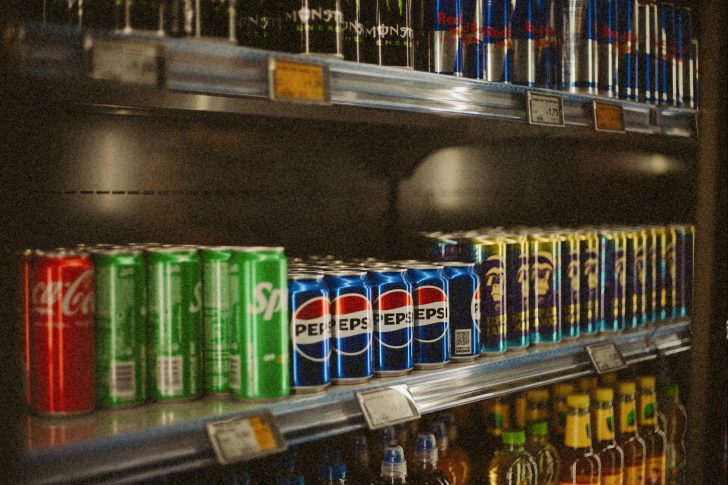
Ansis / Unsplash / Energy drinks are not treated like regular beverages anymore. Governments are tightening rules, especially around caffeine levels and marketing to younger audiences.
Ignoring this can shut your business down before it grows.
You need to understand caffeine limits in your target market. Some regions cap levels strictly, and going over those limits can lead to penalties or product bans. Always confirm your formula meets local standards.
Labeling is another area where mistakes can cost you. Your nutrition panel must be accurate, and your ingredient list should be clear and compliant.