


Earlier in April 2026, a report from The Free Press claimed that Pentagon officials had issued “a warning” to the Vatican during a private meeting. The meeting itself is not in dispute. It did happen in January 2026 at the Pentagon. What remains unclear is the tone and intent behind the conversation.
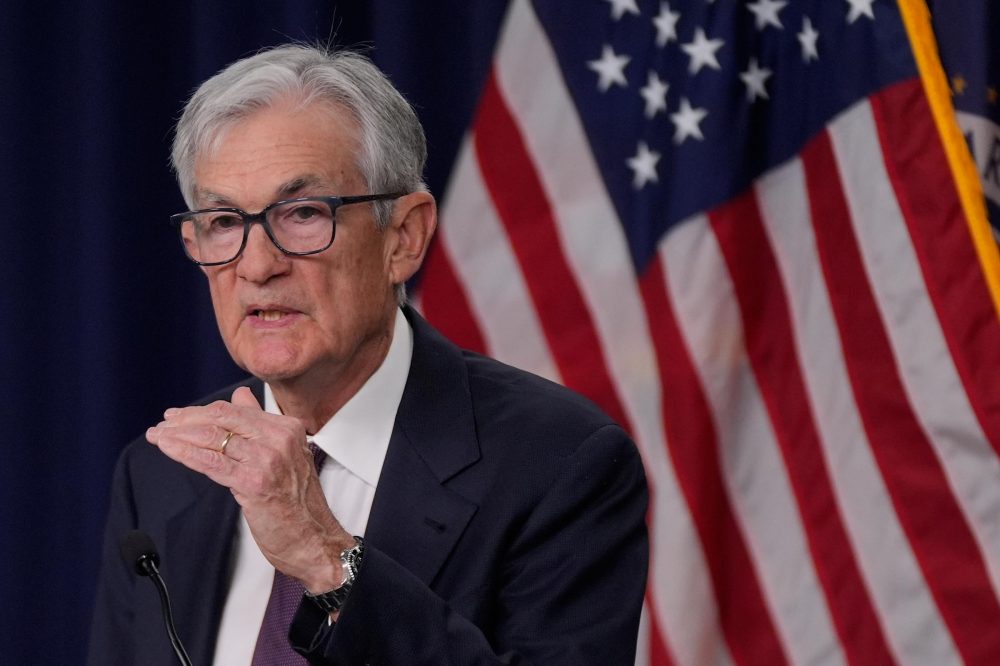
The session brought together Elbridge Colby, the U.S. Under Secretary of Defense for Policy, and Cardinal Christophe Pierre, who served as the Vatican’s ambassador to the United States. Both men hold influence in their respective worlds.
The purpose of the discussion centered on Pope Leo XIV’s “State of the World” address delivered on January 9, 2026. In that speech, the first American Pope warned that “a diplomacy that promotes dialogue and seeks consensus among all parties is being replaced by a diplomacy based on force.” He added that “war is back in vogue, and a zeal for war is spreading.” Those lines appear to have triggered concern inside the Pentagon.
The Claim That Sparked Outrage
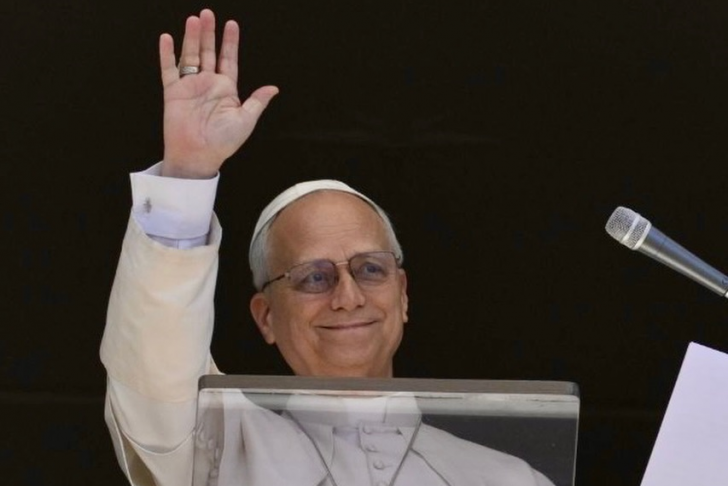
Vatican News / IG / According to Free Press, U.S. officials delivered what was described as “a harsh message” to the Vatican.
The report said a U.S. official referenced the Avignon Papacy, a period when the Catholic Church operated under heavy influence from the French crown. That moment in history is often linked to the idea of a weakened and controlled papacy.
Those present reportedly took the reference as a warning. The implication, as described in the report, suggested that the United States had the power to pressure or even displace the Vatican if necessary. That interpretation raised alarms quickly and drew intense scrutiny.
The article also cited a striking quote attributed to Colby. It claimed he said, “America has the military power to do whatever it wants in the world. The Catholic Church had better take its side.” That line, if accurate, would mark a sharp shift in tone between the two institutions.
The meeting itself was described in the report as a “bitter lecture.” It also claimed Cardinal Pierre was left sitting in "stunned silence."
Official Pushback and Conflicting Accounts
Soon after the report gained traction, the Pentagon responded. Officials rejected the portrayal of the meeting in strong terms. A spokesperson described the claims as “highly exaggerated and distorted.”
According to the Department of Defense, the conversation was “a respectful and reasonable discussion.” Officials said the meeting focused on shared concerns, including morality in foreign policy and global security. That version presents a far calmer picture.
Similarly, the Vatican also pushed back, though in a more measured way. Its press office stated that “the narrative offered by certain media outlets regarding this meeting does not correspond at all with the truth.” The statement did not break down which parts were inaccurate, leaving key questions unanswered.
Cardinal Pierre has chosen not to speak publicly about the details. He said he would “prefer not to speak” on the matter. However, the U.S. Ambassador to the Holy See, Brian Burch, offered another perspective. He said the Cardinal “emphatically denied the media’s portrayal” and described the meeting as “frank, but very cordial” and a “normal meeting.”
The Relationship is Already Under Strain
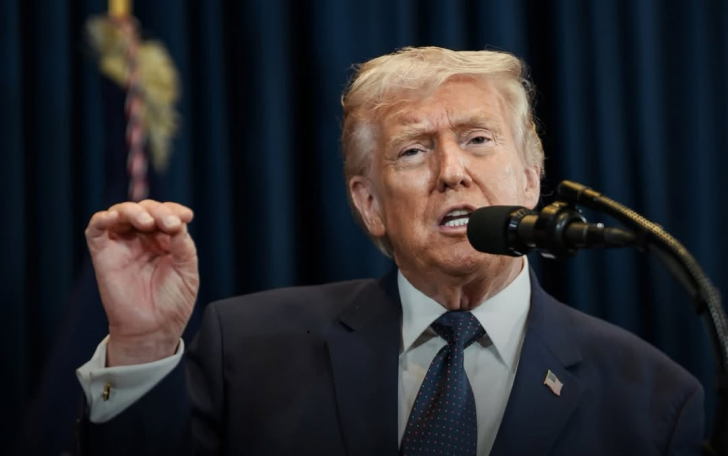
Trump / IG / Relations between the Trump administration and Pope Leo XIV have been tense for months. And this meeting did not happen in isolation.
Pope Leo XIV has taken clear positions on global conflict. Following U.S. military strikes on Iran in late February 2026, he condemned the actions as “illegal and immoral.” That statement drew a firm line between his stance and that of Washington.
When President Trump later issued a threat against Iranian civilization, the Pope responded directly. He called it “truly unacceptable.” During Holy Week, he said that God “does not listen to the prayers of those who wage war.”